 PlayMaker
Track the result
Record whether a trade was a win, loss, break-even, or unfilled so performance stays organized.
PlayMaker helps traders record what happened after a high-of-day, low-of-day, or NQ futures reversal setup, not just what looked good before entry.
Record whether a trade was a win, loss, break-even, or unfilled so performance stays organized.
Log max move, drawdown, and points so strong setups and weak decisions become easier to review.
Add notes about behavior, price reaction, stop planning, partials, and why the trade did or did not work.
Use rolling results to see recent trade performance without waiting until the end of the month.
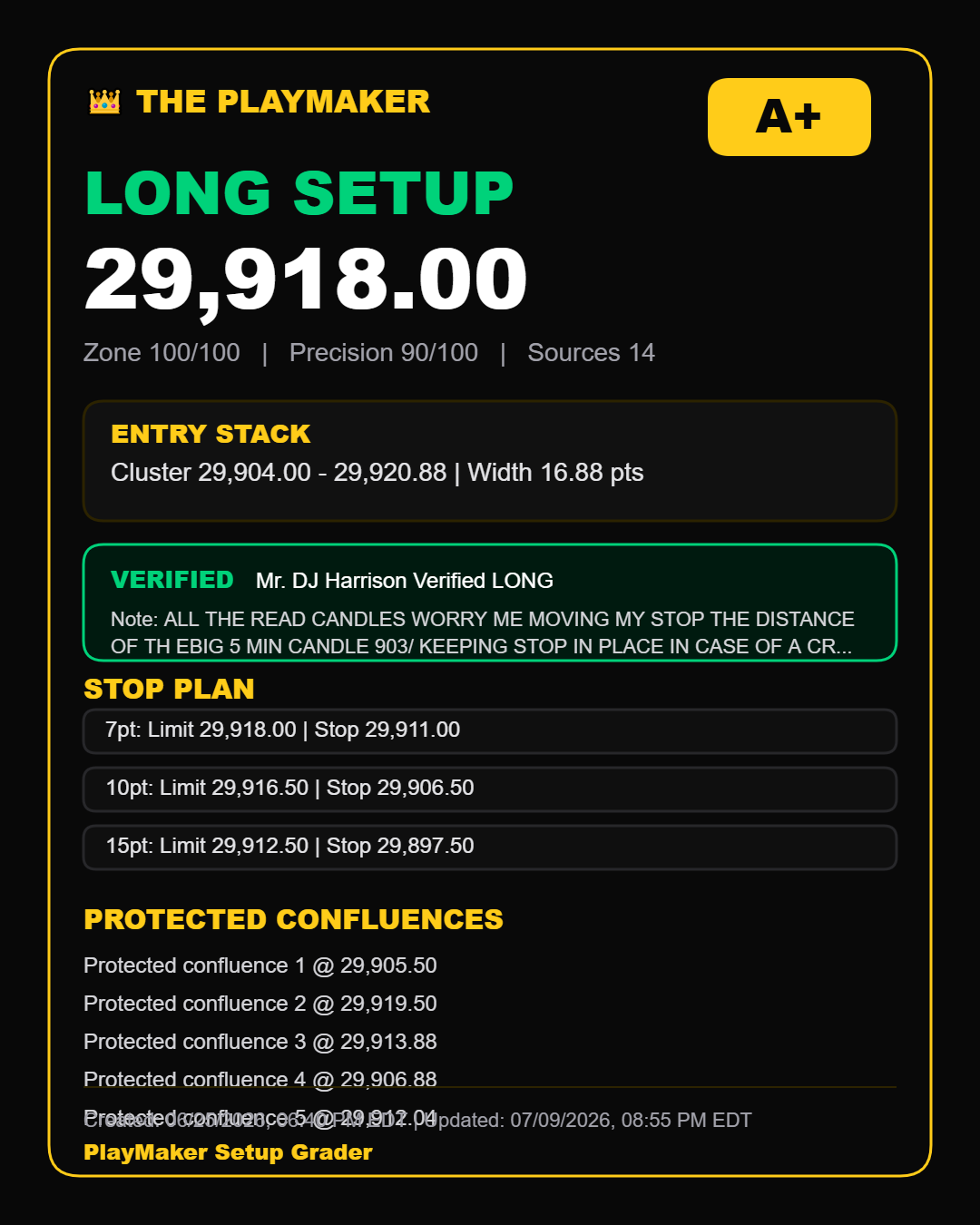
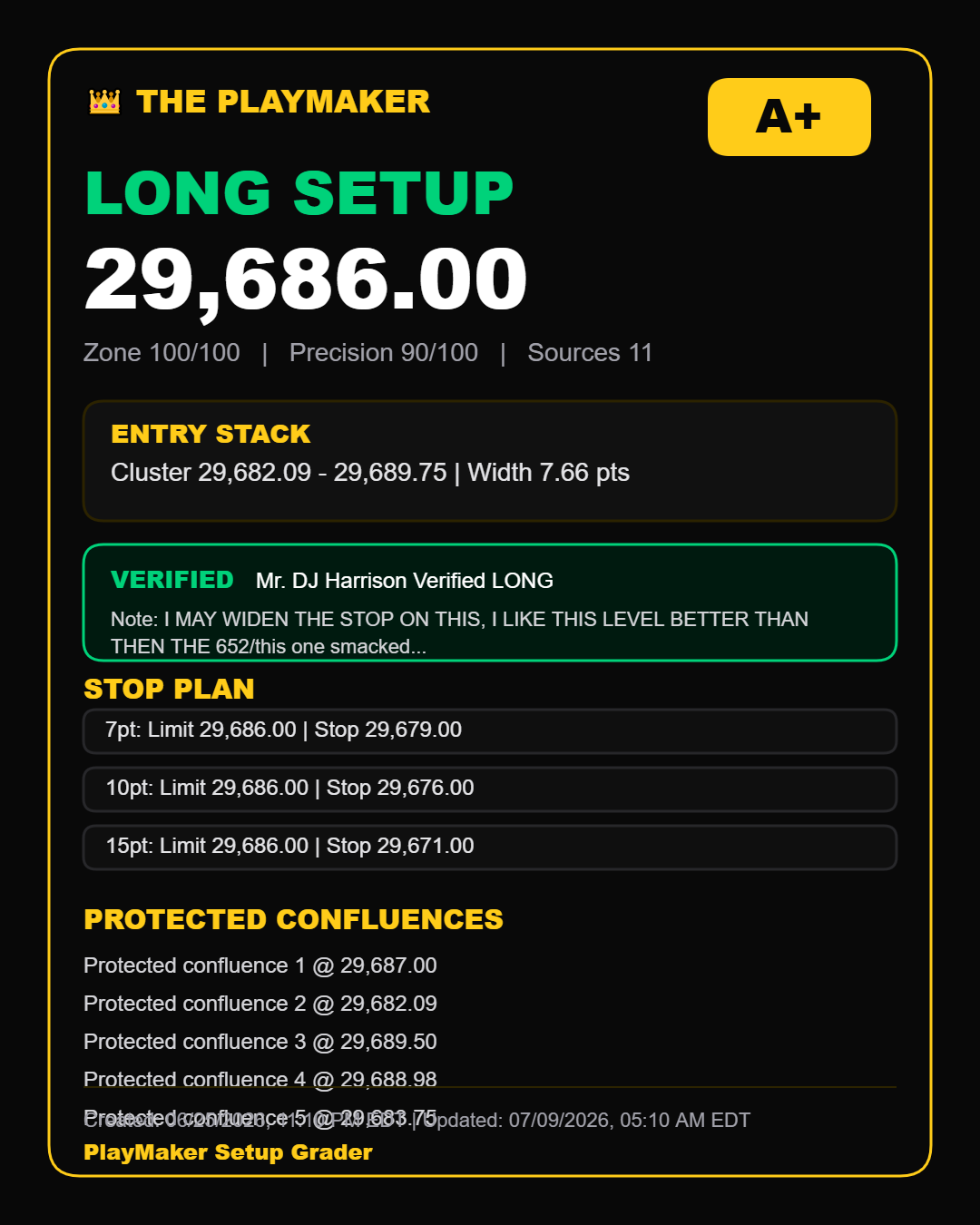
The PlayMaker journal tracks trade outcomes, NQ points, max move, drawdown, notes, wins, losses, break-even trades, and rolling performance.
Journaling helps traders study whether high-of-day, low-of-day, and reversal setups followed the plan or exposed repeat mistakes.
Drawdown is useful for tracking risk behavior. In PlayMaker, it can be reviewed separately from final points so traders can study both outcome and risk.